By Equalizer editorial team · Last verified [date] · Current release [tag]
Why this guide exists
People search for Windows setup steps for an equalizer. This guide answers that with a real walkthrough covering install, driver, device routing, and a first preset test.
Install paths
winget install -e --id FxSound.FxSoundOr run current fxsound_setup.exe from fxsound.com/download or GitHub Releases. Install on Windows, winget.
Driver, device, preset
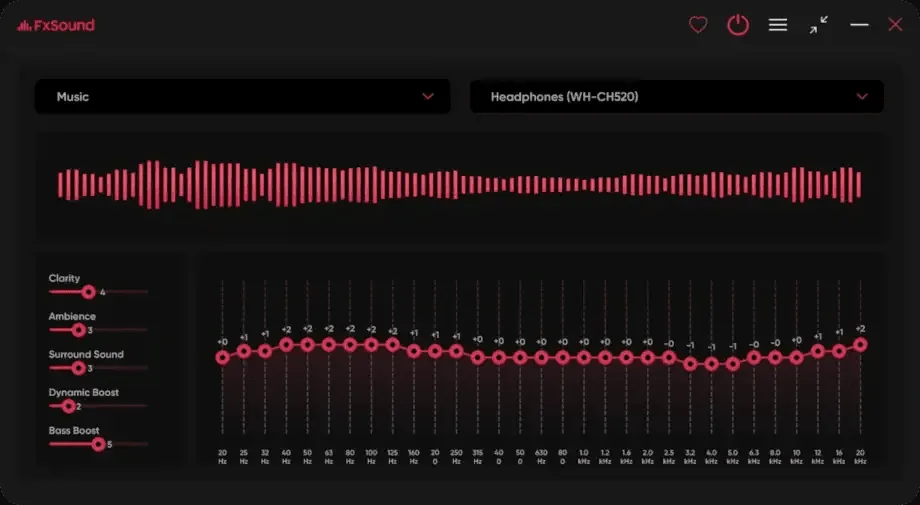
Complete the installer so the virtual audio driver lands. Open FxSound. Route Windows playback when you want processing. Test a mild preset. System-wide, first run, presets.
After setup
Keep updates on the same door. Skip unofficial boosters. Update and uninstall, download safe, home.
Official doors for FxSound on Windows
Stay on fxsound.com, GitHub Releases for fxsound2/fxsound-app, or winget id FxSound.FxSound for this Windows audio path. Those doors publish the current fxsound_setup.exe pattern and the catalog package without Softonic-style wrappers that rename the download button.
- Prefer the official download page when you want the setup exe by hand.
- Prefer winget when App Installer is already present on the PC.
- Update through the same door you used to install so Start menu shortcuts stay consistent.
First hour after FxSound installs
Open the main window, confirm Windows playback can use the FxSound device when you want processing, pick a gentle preset, and play a short track you already know. That proves the Windows audio path works on this PC before you chase extreme boosts or third-party booster helpers from search ads.
Related pages cover Windows install, winget, portable-or-exe history, safety, first run, presets, system-wide routing, and the Equalizer APO comparison. Supporting cluster pages for releases, GitHub, and download-safe intent point at the same FxSound Windows path.
Licence text is AGPL-3.0. Read LICENSE in the repository before you redistribute. This guide does not invent Equalizer APO prices or seat figures. When winget is missing, install App Installer from Microsoft, reopen the terminal, and run the FxSound.FxSound command again. ARM64 setup exe can sit on the same release line as a supporting download; this path maps typical Windows PCs first.
Windows audio notes for daily listening
This path maps Windows first. The manual default file is fxsound_setup.exe from fxsound.com or GitHub Releases. Winget id FxSound.FxSound remains the one-line install when App Installer is present.
- Confirm the file name before you run anything from a search ad.
- Keep personal media outside Program Files so updates stay simple.
- Re-check the live tag from Releases instead of pinning a dotted version in notes you share.
People who typed bass boost, system EQ, or Windows sound enhancer into a search box usually want the same local outcome: a desktop window, presets, and bands that change what they hear across apps. FxSound covers that job under AGPL-3.0 without requiring a cloud seat for the first listen.
If the main window fails to open after install, verify the setup exe or winget run finished cleanly, then launch from the Start menu entry that points at the FxSound install folder. Do not download a second copy from an unknown mirror to fix a missing shortcut. Safety notes and the download-safe page list the doors that match this Windows audio guide.
Bookmark the home install command with this page so the next PC gets the same FxSound seat. Prefer one update door. When catalogs lag, take the current setup exe from the official download table and keep using that channel for the next upgrade.
Device routing and mild presets
Processing applies when playback uses the FxSound virtual device path that ships with the installer. If you hear no change, open Windows sound settings and confirm the playback device before you reinstall. Switch back to a hardware-only device when you want dry output for a meeting.
Start with a mild preset. Move one band at a time so you learn how sensitive laptop speakers or headphones are. Extreme boosts can clip small drivers. Volume leveling and effects sit beside the bands on recent builds; keep them calm during the first hour.
Updates, uninstall, and honest limits
If winget installed the package, upgrade with winget using id FxSound.FxSound. If you ran the setup exe from fxsound.com or GitHub, take the newer fxsound_setup.exe from the same door. Do not stack three installs from three mirrors.
Uninstall for winget uses the same package id. For an exe install, use Windows Apps and Features and remove FxSound. Borrowed or locked-down lab PCs may block winget, unknown executables, or audio driver installs. Stop rather than force a wrapper installer from a search ad.
FxSound is an AGPL desktop app with presets and a virtual device. Equalizer APO is a separate system-wide APO project on SourceForge. Prefer each official project page for current details instead of invented scorecards.
Frequently asked questions
Windows 10 or 11?
Both are fine for the documented winget and setup exe path. Official pages state Windows-only. Match FxSound on Windows against the current official setup exe or winget id FxSound.FxSound before you change anything else on the PC. Prefer fxsound.com or GitHub Releases for fxsound2/fxsound-app when you want the file by hand.
What files do I need?
fxsound_setup.exe on typical PCs, or fxsound_setup.arm64.exe on ARM64. Winget id FxSound.FxSound covers the common path. Match FxSound on Windows against the current official setup exe or winget id FxSound.FxSound before you change anything else on the PC. Prefer fxsound.com or GitHub Releases for fxsound2/fxsound-app when you want the file by hand.
What if App Installer is missing?
Install App Installer from Microsoft, or use the setup exe path. Guide: how to install winget. Match FxSound on Windows against the current official setup exe or winget id FxSound.FxSound before you change anything else on the PC. Prefer fxsound.com or GitHub Releases for fxsound2/fxsound-app when you want the file by hand.